
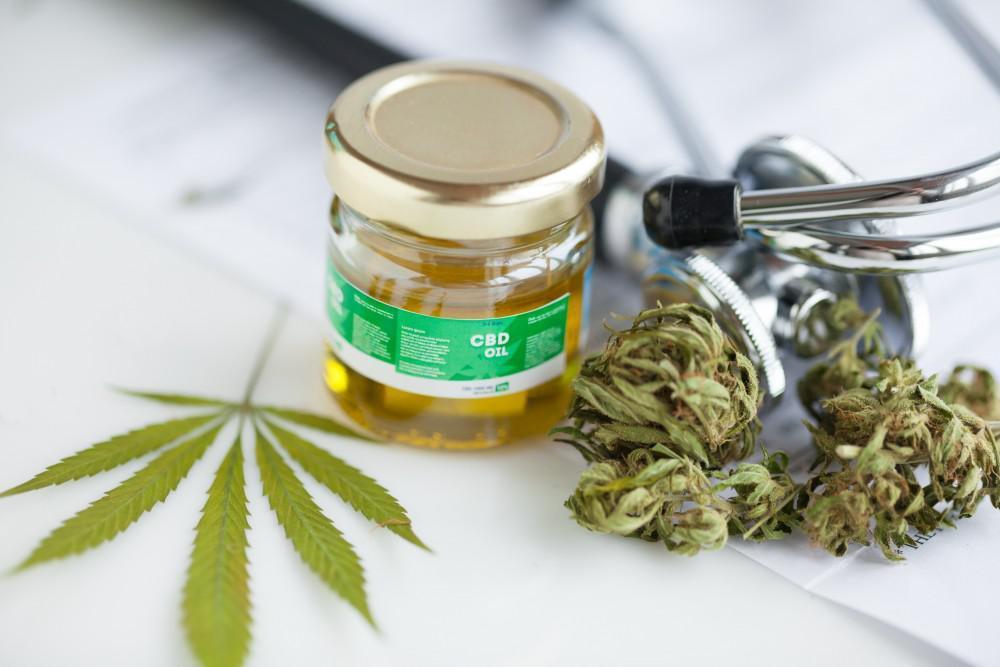
Medical marijuana (MMJ) has experienced a remarkable transformation over the past few decades. Once relegated to the realm of alternative medicine, cannabis is now increasingly recognized as a legitimate therapeutic option in mainstream healthcare. As research advances, legal barriers decrease, and patient demand grows, medical marijuana is proving to be more than a niche treatment—it’s becoming an essential tool for modern wellness and chronic care.
The Evolution of Medical Marijuana
Historically, cannabis was primarily used in holistic or alternative medicine settings. Patients seeking natural remedies for pain, stress, or inflammation often turned to MMJ when conventional treatments failed. However, decades of stigma, strict regulations, and lack of scientific research kept it on the periphery of mainstream healthcare.
Today, this is changing. The rise of state-regulated medical marijuana programs, coupled with a growing body of scientific evidence, has pushed MMJ into the spotlight. Patients, healthcare providers, and researchers alike are recognizing the plant’s potential to complement traditional medical approaches.
How Medical Marijuana Works
Medical marijuana’s therapeutic effects stem from cannabinoids like THC and CBD. These compounds interact with the body’s endocannabinoid system (ECS), which regulates pain, inflammation, mood, sleep, and overall homeostasis. By influencing these systems, cannabis can provide targeted relief for chronic conditions without many of the risks associated with long-term pharmaceutical use.
Unlike recreational cannabis, MMJ is carefully managed to meet specific medical needs. Patients are often guided by healthcare professionals to determine the appropriate strain, dosage, and delivery method—ensuring both safety and effectiveness.
Medical Marijuana for Chronic Conditions
One of the primary reasons medical marijuana has moved into mainstream care is its proven effectiveness for chronic conditions. It is commonly used for:
- Chronic pain: Cannabis reduces nerve signaling and inflammation, offering relief from conditions like arthritis, neuropathy, and fibromyalgia.
- Anxiety and stress disorders: Certain cannabinoids help promote relaxation, improve mood, and support mental health.
- Sleep disorders: MMJ can aid in deeper, more restorative sleep.
- Inflammatory conditions: From autoimmune disorders to joint inflammation, cannabis provides natural anti-inflammatory support.
- Appetite and digestive issues: Particularly valuable for cancer patients or those with chronic illnesses affecting appetite.
By addressing multiple symptoms simultaneously, MMJ supports holistic patient care and reduces reliance on multiple medications.
Integration into Mainstream Healthcare
Medical marijuana is increasingly being incorporated into mainstream healthcare practices. Clinics, hospitals, and wellness centers now offer cannabis consultations alongside traditional therapies. Telemedicine has further expanded access, allowing patients to receive evaluations and prescriptions conveniently from home. This integration helps bridge the gap between alternative treatments and conventional medical care, making cannabis a viable, professional option for a wider population.
Safety and Responsible Use
Despite its benefits, medical marijuana is not a one-size-fits-all solution. Responsible use requires understanding dosage, potential interactions with other medications, and possible side effects such as dry mouth, dizziness, or drowsiness. Consulting with certified professionals ensures that patients use MMJ safely and effectively, maximizing its benefits while minimizing risks.
Changing Public Perception and Reducing Stigma
As scientific research grows and positive patient experiences accumulate, the stigma surrounding cannabis is steadily diminishing. Medical marijuana is increasingly seen as a credible, evidence-based option for managing chronic conditions and improving quality of life. Public education campaigns and professional guidance have been critical in reshaping perceptions and encouraging acceptance in both healthcare and society at large.
The Future of Medical Marijuana in Healthcare
The trajectory of medical marijuana points toward continued growth and mainstream acceptance. Ongoing clinical research, improved product standardization, and legislative support are expanding its use. In the near future, cannabis is likely to become a standard consideration in integrative healthcare, combining conventional and plant-based therapies for a comprehensive approach to wellness.
Conclusion
Medical marijuana’s journey from alternative medicine to mainstream care reflects its undeniable value in modern healthcare. By offering natural, evidence-backed solutions for chronic pain, stress, inflammation, and overall wellness, MMJ is redefining what holistic care can look like. For patients and practitioners alike, medical marijuana is no longer an experimental option—it’s a vital part of today’s healthcare landscape, bridging the gap between traditional medicine and natural healing.